When was the last time you rented a DVD or used a payphone? For people in some countries, the answer might be “today!” Here are a few older technologies still in use in even economically developed countries, where “if it’s not broke don’t fix it” just makes sense for the culture.
Japan- Fax and DVD rental
In the early 2000s Japanese sociologists coined a term, “Galapagos syndrome,” to describe Japan’s preference for technology developed to a local sensibility as opposed to imported advances. While the country has since embraced smartphones, there are a few things expatriates often find themselves surprised to see in use, and fax machines and DVD rental shops are two of them. While it may seem hard to believe in 2026, more households in Japan have fax machines than video game systems, a result of the desire for a paper trail and a way to easily send proof of hanko stamping – which is still the primary way to “sign” a document.
DVD shops have also been replaced by streaming in much of the world, but the Japanese enjoy physical media and the small apartment sizes in cities make renting an attractive option. There are more than 2000 DVD rental shops still operating.
The United States- Paper checks
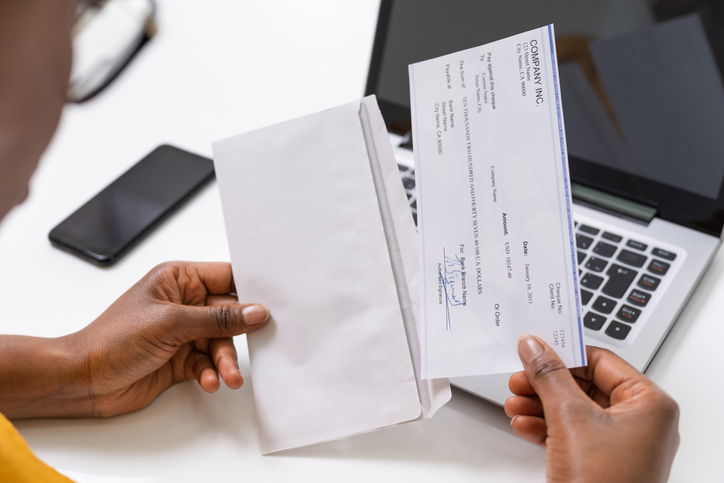
While many countries have phased out paper checks altogether, in the U.S. they still make up 15% of customer transactions, almost a third of business-to-business transactions, and even a relatively large portion of government payments. While this is a smaller percentage than digital payments, it represents trillions in U.S. dollars a year. The average amount of a check is around $2000, showing quite a few Americans still prefer paper when it comes to larger transactions.
Australia- Payphones
Nowadays it seems everyone has a mobile phone on hand, leading to a rapid removal or repurposing of payphones and their boxes in most of the world. Not in Australia, however. Telecommunications company Telstra is under a Universal Service Obligation to provide public phones around the country. There are still more than 15,000 of them, and domestic calls made from payphones are free. This was put into place to provide a vital means of communication for vulnerable people as well as provide a way to contact others in an emergency, such as wildfires. In 2026 the colorful cartoon-led “Free for All” campaign reemphasized the commitment to equitable communication.
Korea- Underfloor heating
If you hear that many Korean homes and buildings don’t have Western-style central heating, you may expect to be in for a chilly winter. Instead, most homes use a system developed over 3000 years ago- ondol. This system of underfloor heated stone, hot water pipes, or coils uses radiant heat and the natural rise and fall of air to warm a space. Ondol is so efficient there has never been a reason to adopt other systems, and it is now often exported as a luxury addition in other parts of the world.
Part of the fun of living in a new place is rediscovering things you may not have thought about in years or looking at old things in a new light (or language). Living Abroad is here to give assignees a solid base for what to expect in their new home- even when it is unexpected.
Written by Kate Havas, GMS-T, Content Manager