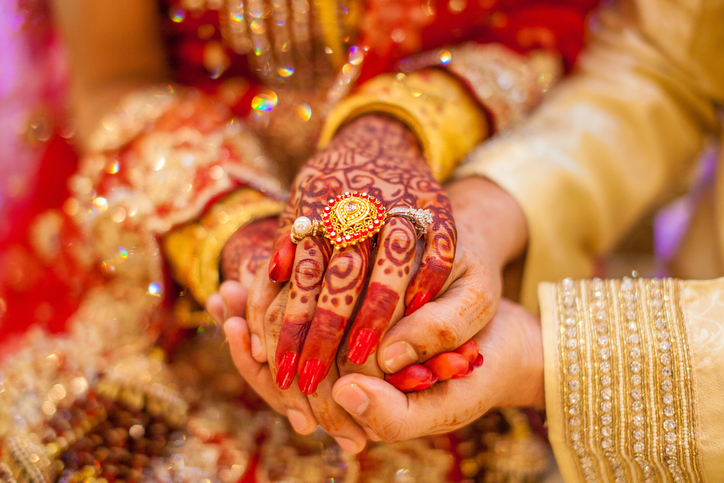
Is there anything like a wedding to bring people together from different age groups, walks of life, and backgrounds? Making a connection with another guest you would otherwise never meet is a bonus, aside from celebrating the bride and groom.
When living abroad, foreign residents may find themselves invited to a wedding for a new friend or colleague they know well. This is more likely to happen in certain countries – such as India, where the guest list can top 500, and Thailand, where a wedding serves as an occasion to recognize and honor relationships. Latin American countries also tend to see big weddings with very inclusive guest lists.
And some countries mandate personal time off for marriage. Croatia labor regulations include seven days off for a wedding. Portugal’s law entitles couples to 15 days. Couples in France have four days. China and Vietnam allow for three days off. As of October 1, couples in Taiwan are entitled to 14 days of paid marital leave. In other countries, brides and grooms must take their own vacation time to get married.
These are norms and policies for foreign employees and managers to be aware of – setting expectations in the workplace about the likelihood of being an invited guest and managing for extended periods of time without a newly married worker.
When a foreign resident is invited to a local wedding, it helps to become acquainted with traditions and cultural norms. For example, what to wear, where to sit at the ceremony, religious aspects, any guest participation, food and drink expectations, how long it may last (so that care of children or pets can be arranged), and appropriate gifts. For example, guests at a Russian wedding toss rose petals and coins in the air, and every guest toasts the couple. In Latin American countries, the concept of La Hora Loca – ‘the crazy hour’ – rejuvenates the crowd, later in celebration, with a fresh burst of entertainment, spirited music, and colorful props.
There’s also an increasing trend toward personalization. So, despite certain traditions, many couples like to fashion a distinctive ceremony. They may write their own vows, invite a friend to be a certified officiant, or forgo certain customary elements like flowers and choose to spend wedding funds based on their own meaningful preferences.
September and October and popular wedding choices for couples in Europe and North America. June is another common choice for couples setting the date. After attending a recent wedding in New York – where I met people from Serbia, Nepal, and India – I can recommend September as a great time for a wedding, although any month is a good time to make new connections and experience joyful new customs.
Written by Ellen Harris, GMS, Product Manager, Content Group