What comes to mind when you think of traveling? It may depend on the nature of the trip: business meeting, vacation, family visit, friends’ reunion. The destination often determines whether the trip evokes excitement, longing, fatigue, even boredom.
What if every step of your journey felt like a detour to navigate or a road hazard that demands your attention? For neurodivergent travelers, common experiences can trigger discomfort or alarm.
Airport operators are paying attention. As are some hotels, museums, and recreational venues. Families with neurodivergent members can look for thoughtful accommodations to make traveling as smooth as possible for all:
Airports
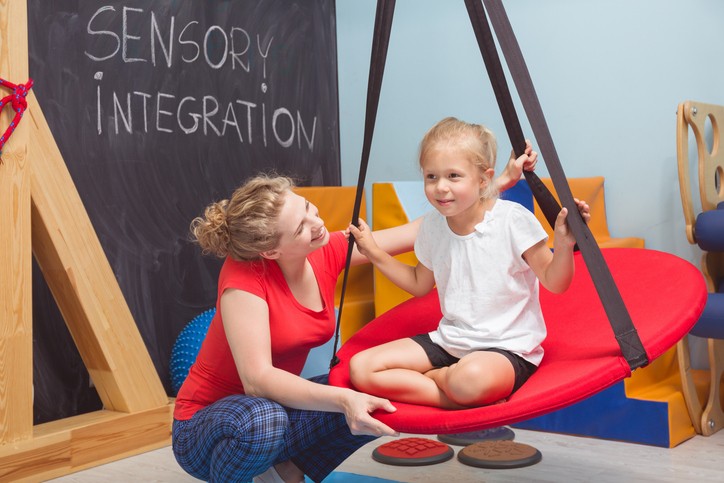
A growing number of airports provide sensory-friendly spaces. London Gatwick Airport’s North Terminal Sensory Room is a “chill-out zone” designed for passengers with autism, dementia, or cognitive impairment. It features soft, relaxing seating, calming color and sound displays, abstract tactile panels, and a waterless rainbow tube.
Pittsburgh International Airport’s Presley Place is a soundproof space where visitors can control lighting and engage in calming activities, including an area that mimics airplane cabin seats and overhead bins. San Francisco Airport’s Sensory Room also replicates the cabin experience, which helps calm and prepare travelers ahead of the actual boarding experience.
Other airports with sensory-sensitive areas include Atlanta (ATL), Birmingham (BHX), Boston (BOS), Chicago (ORD), Dublin (DUB), Houston (IAH), Los Angeles (LAX), Miami (MIA), Minneapolis (MSP), Phoenix (PHX), and Vancouver (YVR). Even in airports without dedicated sensory rooms, travelers may find other calming amenities like meditation rooms, yoga spaces, and quiet lounges.
Many airports provide ‘Hidden Disabilities’ lanyards that feature sunflowers and signal to airport employees that a traveler may need special assistance or may be sensitive to certain stimuli. Check out your airport options prior to travel so you may take advantage of all opportunities open to neurodivergent travelers.
Hotels
Adapting the check-in process, offering calming touches like weighted blankets, and instituting an ‘Autism Concierge’ are a few of the ways hotels are inclusively welcoming all guests. Some advance research can identify hotels that offer these services.
At the very least, it can help to book a room in a quiet section of the hotel and to inquire, ahead of time, about any special assistance you may require.
Amusements and museums
Resorts and amusement parks offer varying levels of information on the sensory impact guests are likely to encounter. For example, Legoland Florida Resort has compiled a complete Sensory Guide that details the sensory level summary for each attraction, helping families plan their optimal visit.
Children’s museums often maintain separate sections and/or label exhibits with flashing lights or other elements that could diminish the enjoyment of neurodivergent guests. A museum or zoo may schedule times when a particular exhibit is sensory-friendly with quieter audio and less visual stimulation. This information is typically found on the venue’s website or app.
In this season of light, music, and festivity, it’s easy to overlook how overwhelming sensory experiences can be for some travelers. Fortunately, the growing opportunities to find quiet, calming spaces will make travel easier for all.
Living Abroad’s destination reports link to airports around the world, allowing travelers to access detailed amenity resources. We also cover location-specific children’s activities and provide resources for families with special needs.
Further reading:
Sensory-friendly Travel Tips for Neurodivergent Families:
https://www.northmetropsych.com/blog/2ettc4f75bzg5r7593tdhrmsks5beb
Written by Ellen Harris, GMS, Product Manager, Content Group