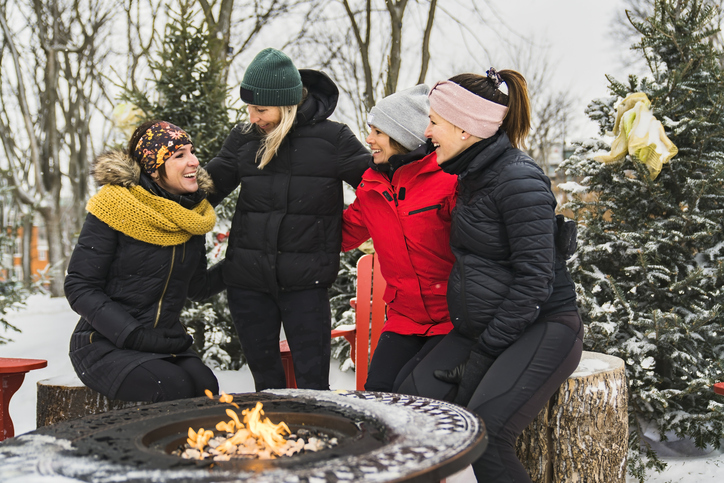
Winter can be a delightful season, with ice skating, sledding, and hot cocoa by a roaring fire. But while climate change has led some areas to have much warmer winters than usual, others are facing more severe winter weather than ever before. And if an assignee is moving from a warm climate to a place with regular ice and snow, even a mild winter might be more than they are prepared for.
Living Abroad offers multiple ways to help assignees get through any winter blues. In the “Climate” article, they can learn about the likelihood of inclement weather, and in “Driving Conditions” they can find out how it may affect their travel. We include information such as Austria’s requirement to have four winter tires, or snow chains on at least two tires, between November 1 and April 15, the likelihood of black ice on Canadian roads, and the use of “Snow Emergency” signs in the northern part of the U.S.
We also don’t underestimate the dangers winter can bring. Each destination has readily available links to emergency services and local medical services in case of an ice-related emergency, as well as information on utility services. Ice and snow often bring power outages, meaning it is valuable for expatriates to be able to sign up for outage alerts as soon as they are settled in their new homes. While not something most think about among all the other things an international move entails, when the power starts blinking, they’ll want to have that information.
But winter isn’t entirely about preparing for the worst. Moving to a snowy climate can be an opportunity to try new sports, especially for children. The “Take Clothing” article gives information on what weather and water-proof clothing is available, as well as general price and quality. In “Sports and Fitness” as well as “Kids Activities” information can be found on skiing and snowboarding- a great opportunity for those relocating to countries with famously good snow such as Japan, Switzerland, or Canada, and “Local Entertainment Events” explains even more unique activities such as ice sculpture festivals and dog sled races.
Living Abroad’s vast coverage includes the countries considered to have the harshest winters on Earth: Canada, Russia, Mongolia, Finland, and Norway. But even if you have employees traveling to Svalbard (average February temperature: −13 to −20 °C), Living Abroad gives them the information to prepare for, and perhaps learn to enjoy, the cold.
Written by Kate Havas, GMS-T, Content Manager