You know how much preparation it takes to move a transferee and family abroad. Your Global Mobility team – which may be one person – advises them on housing, culture, transportation, schools, driving, shopping, entertainment… and supports whatever unique needs their particular family may bring into the mix.
But what about when they move to a location where they’ll live in an expatriate compound?
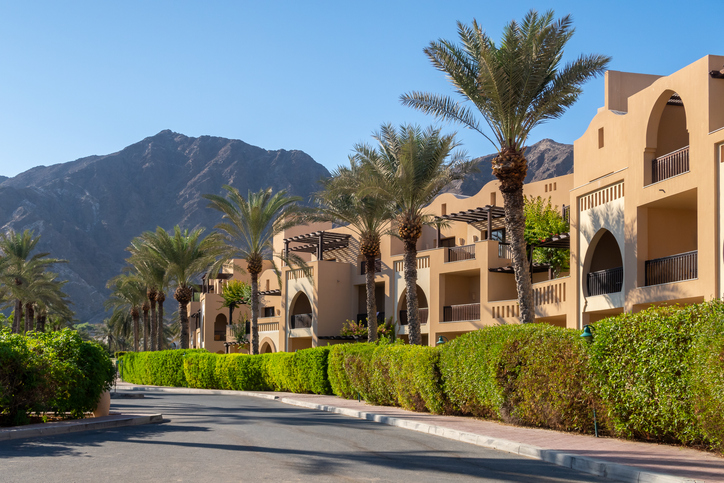
Employers in countries like Saudi Arabia, UAE, some Chinese cities, Indonesia, oil and gas locations like Qatar, Kuwait, Oman, and emerging markets find that compounds range from attractive to essential for assignees.
Where there are issues of security, religious restrictions, cultural chasms, a lack of suitable housing or daily basics, compound living is often an excellent choice. Especially for those in diplomatic roles or parents who want proximity to international schools, these enclaves present desirable environments that preserve some of their lifestyle and freedoms.
For better or worse, compound living can also isolate the expat from local life – to various levels depending on the amenities providing self-sufficiency. While this may be inherently convenient, it can also deprive you of the rich experience that comes from engaging with the culture and getting to know the people. On the other hand, expats are insulated from aspects of life they wish to avoid, be it strict regulations, religious constraints, security concerns, or deprivation of amenities they enjoyed at home.
How can an expat balance compound living with benefits of being on assignment?
If possible, regularly explore and make friends outside the compound. Not only does this let you experience your host country, it provides a break from the lack of privacy some of these insular compounds can create.
Travel to other safe parts of the country or region, when feasible. A driver can be helpful to navigate the best route over unfamiliar terrain.
Attend to local traditions as best you can – like important holidays and festivals – even as compound living affords you the freedom to mark your own treasured observances.
Also note that while assignees may be relieved of certain decision-making due to what’s provided, it’s still important to view and understand the offerings before committing to a particular compound. Some of the most desirable have waiting lists.
And, assuming you’re moving to compound living, what should you still know about your host location?
-Language
-Climate
-Business culture
-Security monitoring and protocols in the event of an emergency
-Social customs if you’ll be interacting with locals (and hopefully you are)
-Transportation options. Even if you have a driver, awareness of airport locations and access methods are important.
-Food and other shopping options, assuming your community is not 100% self-contained — and even if it is, it’s good to explore local offerings when possible.
-Sites of cultural importance and natural wonders.
Employers are flexing their offerings as some of these destinations evolve. For example, Saudi Arabia has changed dramatically since 2016 when Crown Prince Mohammed bin Salman introduced his Vision 2030 reforms. Cinemas are open, women drive, and businesses are not required to cease operations during the five daily prayer times. Relief from these and other restrictions are leading some transferees to experience life outside of the compound oasis.
Wherever your talent is moving, preparation and planning are always essential. Count on the IRC to inform assignees, business travelers, and their families about ways to thrive in any environment.
Written by Ellen Harris, GMS, Product Manager, Content Group