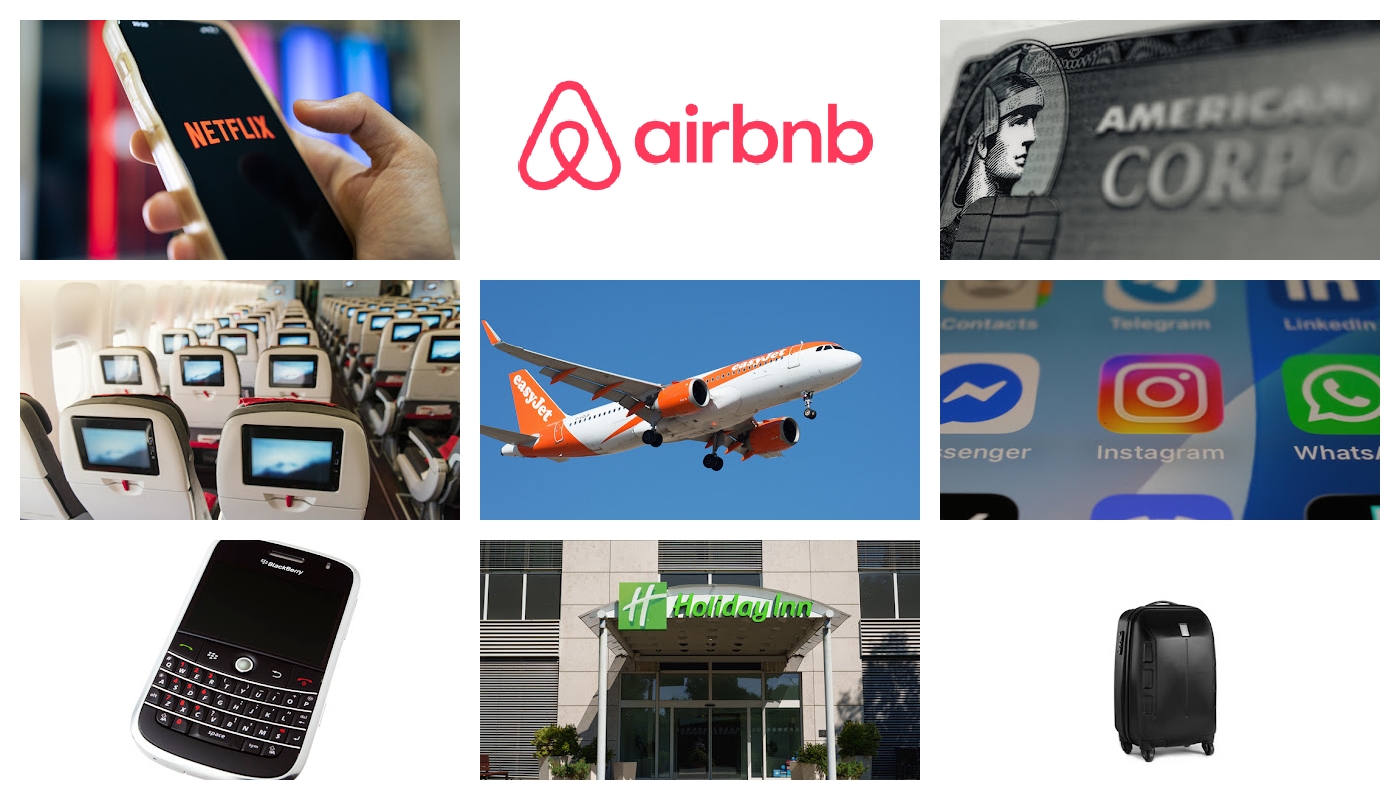
During my last three weeks of travel, I grabbed a copy of Business Traveler magazine with an interesting article on how business travel has changed over the last 50 years.
Travel tools keep getting better, but a smooth trip still starts with knowing what to expect at the destination. Here’s what that means:
For travelers: Visa, health, and business-etiquette requirements still vary by destination.
For managers: A short pre-trip briefing helps your travelers arrive ready.
For mobility teams: Our new quick guides are short, easy-to-scan summaries drawn from our full business travel reports, so travelers get the essentials before they board.
Click here to check out how destination guidance supports your global mobility and business traveler program.
Now for the fun part. Here are some of my favorites from the Business Traveler magazine’s list of innovations since 1976:
1. Texas International Airlines started the idea of a loyalty card in 1979 by creating Payola Passes, the first modern frequent flyer program.
2. American Express started their Platinum Card in the 1980s, which offered more privileges to high-spending clients and quickly became the card of choice for global business travelers and jetsetters.
3. Pilot Robert Plath created a suitcase with wheels and an extendable handle to sell to cabin crews. The Rollaboard was introduced to the luggage industry in 1987 and was originally considered “unmanly.” It was designed to be no wider than the aisle and could be stowed overhead. The rest is history.
4. In 1991, Virgin Atlantic was the first airline to install seatback screens in every class. Before that, there was one big screen, and everyone had to watch the same movie.
5. The low-cost carrier easyJet offered its first discounted flight in November 1995 from London’s Luton Airport to Glasgow, with fares from £29, about the price of a pair of jeans.
6. Holiday Inn, a Memphis chain known for innovation, was the first hotel company to let guests book online back in 1995. Their loyalty program, started in 1983, is still going strong.
7. Smoking was eventually banned on virtually all commercial airlines. The dates differed by country, but the smoky cabin is gone for good.
8. The APEC Business Travel Card allowed travelers to swap out separate visa requirements for a single pre-entry approval across participating APEC economies. Some of the perks even included a separate immigration lane at many airports.
9. Netflix launched in 1998 as an online rival to DVD-rental giant Blockbuster, then added streaming in 2007, paving the way for the on-the-go entertainment we count on in airports, on planes, and in hotel rooms.
10. The BlackBerry, otherwise known as the “CrackBerry,” was the first device to send and receive email on the go without needing a laptop. Launched in 1999, it started the smartphone revolution.
11. Airbnb has been the biggest disrupter in the hospitality industry. Founded in 2007 by Chesky and Gebbia, who rented out air mattresses in their San Francisco apartment, it has grown to more than 9 million listings in over 220 countries and regions.
12. Instagram, started in 2010, changed travel by giving billions of users insight on where to go, where to stay, and what to eat.
I’m looking forward to the new innovations that will smooth the way even more for us business travelers!
Written by Cathy Heyne, GMS-T, President